Guides
No Surcharge Rule Australia 2026: Updates from the Card Schemes
From 1 October 2026, card surcharging is no longer allowed in Australia. See what eftpos, Visa, Mastercard & Amex announced and what merchants must do now.
18 Jun 2026
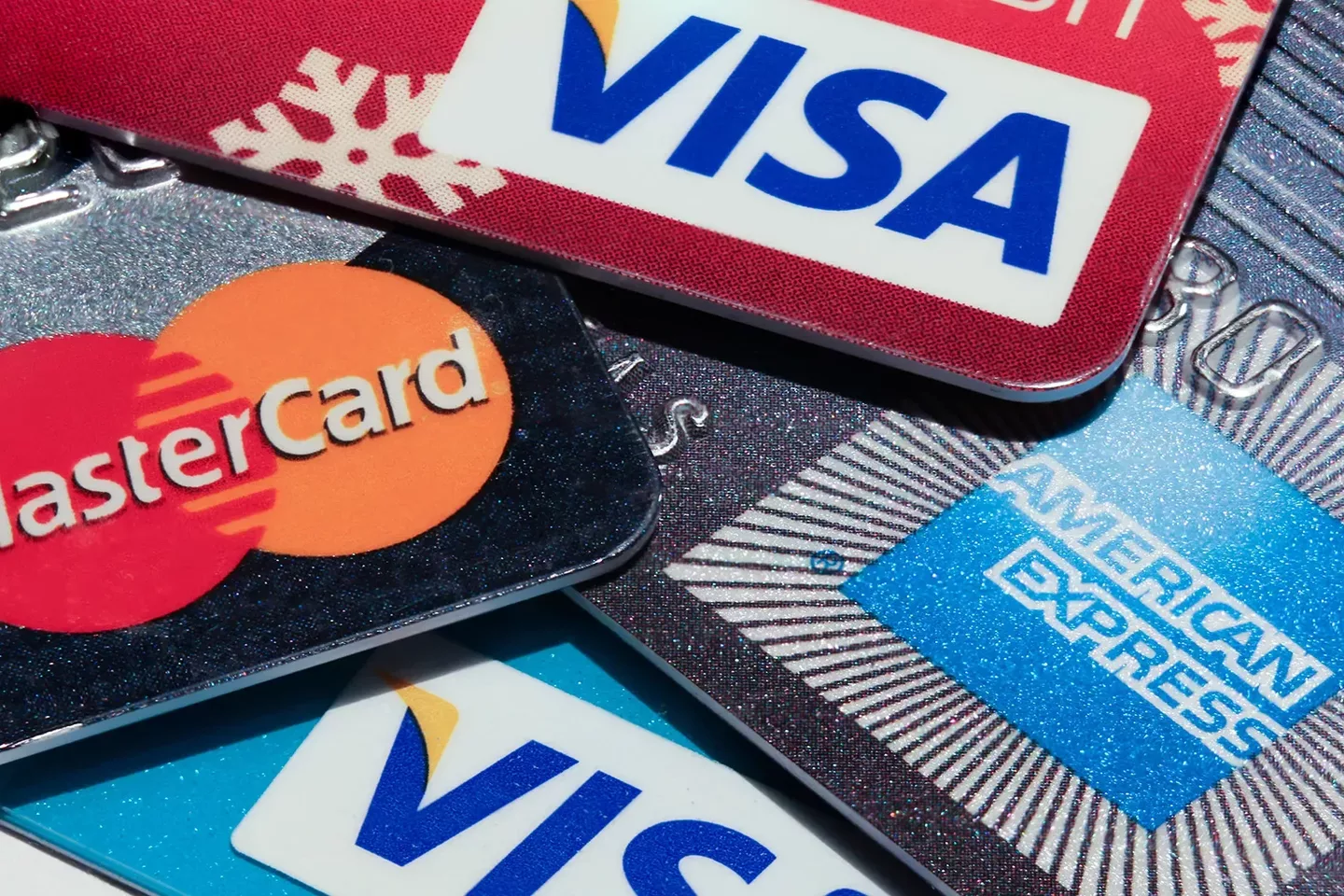
Australia’s payments landscape is heading into one of its biggest structural shifts in over a decade. With the Reserve Bank of Australia (RBA) confirming that card payment surcharging will be removed from 1 October 2026, four major card schemes, eftpos, Visa, Mastercard, and American Express, have now publicly aligned with the reform.
For merchants, this marks the beginning of a new operating environment where the cost of card acceptance will need to be managed differently. Below is a clear overview of what each scheme has announced, what changes are coming, and what businesses should be preparing for.
The Big Picture:
What’s Changing on 1 October 2026
From 1 October 2026, all major schemes will prohibit surcharging, unless a specific law or regulation allows it. This means merchants will no longer be able to pass on card acceptance costs directly to customers at checkout.
This shift aims to simplify the customer experience, reduce payment friction, and create a more consistent national approach to card acceptance.
eftpos (AP+):
Zero-Surcharge Limit Confirmed
Australian Payments Plus (AP+), the operator of eftpos, has confirmed that a zero-surcharge limit will apply to all eftpos transactions from 1 October 2026.
Key points from AP+’s announcement:
A zero-surcharge limit will apply to eftpos transactions from 1 October 2026
Existing surcharging rules remain in place until that date
AP+ has formally notified acquiring members ahead of implementation
The change aligns with the RBA’s broader review of merchant payment costs and the upcoming surcharge ban
Competition & Least-Cost Routing (LCR)
As Australia’s domestic debit network, eftpos continues to play a central role in supporting competition, particularly through least-cost routing (LCR).
Most Australian debit cards can be processed through more than one network. When LCR is enabled, businesses can choose the lowest-cost routing option, helping reduce acceptance costs.
The RBA has long supported LCR, and its data shows that the cost of accepting debit transactions is nearly 20% lower for merchants with LCR enabled.
eftpos has also reduced its own fees multiple times in recent years, reinforcing its focus on lowering the cost of payments in Australia.
Merchants wanting to understand how the changes impact their business should speak with their bank or payment service provider.
Learn More: eftpos Changes
Visa: Support Confirmed + Broader Rule Changes
Visa has formally confirmed that it will:
Prohibit surcharging from 1 October 2026
Update its global Rules to reflect the RBA’s direction
Allow surcharging only where explicitly permitted by law

Visa has also flagged additional changes taking effect on the same date, including updates to:
Interchange programs
Credit, debit, and commercial card structures
Recurring payment rules
Convenience fee frameworks
New consumer debit product tiers
These updates suggest that Visa is using the reform as an opportunity to modernise its broader product and pricing architecture.
Learn More: Visa Changes
Mastercard:
“No Surcharge” Rule Reinstated
Mastercard has taken a clear and direct position:
From 1 October 2026, merchants must not:
Charge a surcharge on Mastercard transactions
Pass on any part of the merchant service fee
Add any contemporaneous finance charge
…unless expressly permitted by law.
Key dates:
9 June 2026 - Mastercard published updated guidance
1 October 2026 - New no-surcharge rule becomes effective
Mastercard is encouraging merchants to:
Review current surcharge practices
Prepare for operational and pricing adjustments
Monitor further scheme and regulatory updates

American Express: Alignment with RBA + Merchant Support
American Express has also confirmed it will:
Support the RBA’s recommendation
Update its Terms and Conditions for Card Acceptance by 1 October 2026
Work closely with merchants and partners to support a smooth transition
A Notable Market Consideration
Amex acceptance costs have historically been higher for many merchants compared with Mastercard. With surcharging removed, merchants will need to decide whether to:
Build Amex acceptance costs into overall pricing
Absorb the cost as part of doing business
Reassess their Amex acceptance strategy
This raises a strategic question: Will merchants who accept Amex become less price-competitive than those who don’t?
What Merchants Should Be Doing Now
To prepare for the 2026 transition, merchants should begin planning in three key areas:
Review surcharge practices - Understand how much revenue currently comes from surcharging and how its removal will impact margins.
Assess pricing models - Decide whether to absorb costs or adjust product pricing.
Evaluate acceptance mix - Consider whether all card types remain commercially viable.
PayNuts is committed to supporting merchants through this transition in every way we can. With surcharging removed from October 2026, payment costs that were previously recovered at the point of sale will now need to be managed differently—whether absorbed within the business, incorporated into pricing, reduced through cost optimisation, or balanced through a combination of these approaches.
For any merchant impacted by the upcoming changes, our team is ready to provide tailored guidance and practical support. If you’d like help reviewing your current setup or planning your next steps, simply reach out and we’ll work with you to navigate the transition confidently.
To explore next steps, you can connect with us about merchant support or request pricing strategy guidance.
FAQs
The no-surcharge rule starts on 1 October 2026.
Not for much longer. The no-surcharge rule comes into effect on October 01, 2026. From that date, merchants will no longer be able to pass transaction costs on to customers by way of a surcharge.
No, merchants will not be able to surcharge after October 2026.
Small businesses will likely need to adjust pricing strategies, but may benefit from lower fees and a simpler system long term.
PayNuts has pricing built for a surcharge‑free future, helping merchants reduce payment costs, optimise routing, and protect margins, without needing to pass fees onto customers.
Merchants can also contact PayNuts support for guidance on pricing, setup, and making a smooth transition ahead of the 2026 changes.
More from the Blog


Guides
From Hospitality to Enterprise: 8 Industries That Benefit from Portable EFTPOS
No matter the industry, every business has unique payment challenges. But all businesses benefit from one thing, i.e., payment flexibility. A portable EFTPOS machine allows teams to go to customers, minimise friction, and keep sales flowing.
28 Sep 2026