News
RBA Rules on Surcharging: What Businesses Need to Know
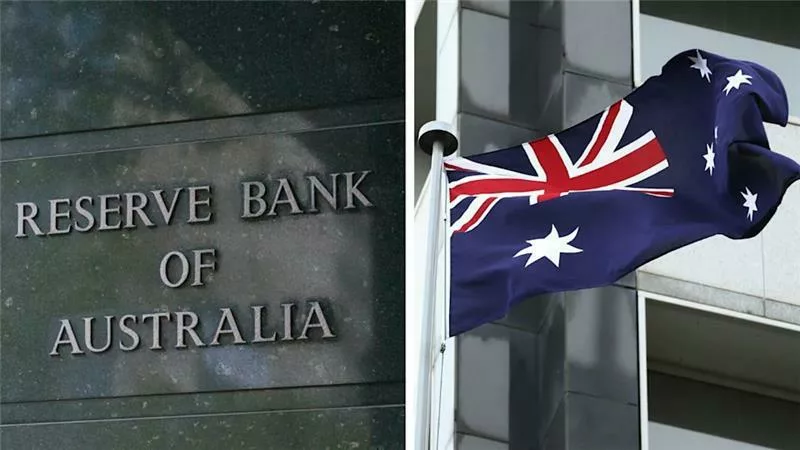
After an 18 month review the RBA has announced its decision on the future of merchant card payment costs and surcharging in Australia.
6 Apr 2026

The RBA has announced its decision on the future of payment costs and surcharging in Australia. After an 18‑month review, the RBA has released its conclusions paper outlining its updated position and the changes that will shape the regulatory landscape going forward.
From 1 October 2026, businesses will no longer be allowed to add card surcharges on eftpos, Mastercard or Visa debit, prepaid or credit cards. Instead, card acceptance costs become an internal business expense, similar to rent, electricity, or software.
What exactly is changing?
1. Surcharging on major card networks will be banned
- Applies to eftpos, Mastercard, Visa (debit, prepaid, credit).
- Businesses cannot add a card surcharge at checkout from 1 Oct 2026.
- ACCC confirms these networks may ban surcharging entirely from that date.
2. Interchange fees will be reduced
- Lower caps on interchange fees for debit and consumer credit cards. Interchange fee caps on consumer cards will be reduced from 0.80% to 0.30%.
- New caps for foreign card payments (effective 1 April 2027).
- Intended to offset the loss of surcharge revenue for merchants.
3. Greater transparency of merchant fees
- eftpos, Mastercard, Visa, and large acquirers must publish their fees.
- Merchant statements will be standardised so businesses can compare providers more easily.
It is important to note that current rules still apply until 1 October 2026.
- Surcharges must still reflect actual cost of acceptance.
- Excessive surcharging remains illegal.
- Businesses must be able to prove their cost calculations.
What this means for businesses
These changes affect pricing, invoicing, POS settings, accounting, and customer communication.
Key impacts
- Businesses will need to remove surcharge wording from invoices, websites, menus, and POS systems by 1 Oct 2026.
- Card fees will become an internal cost, so you may need to:
- Adjust prices, or
- Absorb the cost, or
- Offer discounts for cheaper payment methods (still allowed).
- Accounting systems must treat card fees as an operating expense, not a pass‑through charge.

What’s Not Covered
Not all payment types are captured under this reform.
- American Express remains excluded, meaning surcharging can still apply.
- Buy Now Pay Later services, mobile wallets, and several online payment models are still under review.
The RBA has indicated it will undertake further consultation in mid‑2026, with the possibility of additional changes coming into effect in 2027.
What businesses should do now
- Audit your payment methods - Map out every payment type you accept and the true cost of each. Identify where surcharging still applies (e.g., American Express, BNPL, mobile wallets).
- Review your surcharging setup - Ensure your POS, online checkout, and invoices apply surcharges correctly and transparently.
- Update customer‑facing messaging - Refresh website wording, receipts, and signage so customers clearly understand any fees.
- Check your merchant agreements - Confirm your current rates, terms, and any upcoming changes that may affect cost‑to‑serve.
- Train your team - Make sure frontline staff can confidently explain payment options and any surcharges that remain.
- Choose flexible payment partners - Prioritise providers who can adapt quickly as regulations evolve.
Preparing for what’s next
- Build flexibility into your payment strategy - The RBA has flagged more consultation in 2026, so expect further changes in 2027.
- Stay close to regulatory updates - Assign someone in your business to monitor RBA announcements and industry guidance.
- Test your systems regularly - Run periodic checks to ensure surcharges, fee displays, and payment routing remain compliant.
- Plan for customer experience impacts - Reducing friction at checkout will matter more as rules tighten
As these reforms roll out, every business in Australia will feel the impact, whether they surcharge today or not. The shift isn’t just about compliance; it’s about adapting to a new payments landscape where clarity, flexibility, and customer experience matter more than ever. The businesses that come out ahead will be the ones that take a proactive approach rather than waiting for the rules to force their hand.
That starts with choosing a payment partner who can guide you through the changes, offer flexible pricing options, and provide the tools and support you need to stay compliant without adding friction for customers. With more RBA updates expected in 2026, now is the time to align with a provider who can help you navigate uncertainty and keep your payment experience sharp, seamless, and future‑ready.
Finally...
At PayNuts, we’re committed to helping businesses navigate these changes with confidence. Whether you’re looking to review your pricing, explore more flexible payment options, or simply need guidance on what the RBA’s reforms mean for you, our team is here to support you every step of the way.
For a pricing review, a new quote, or general support, reach out, we’re ready to help you stay compliant and competitive in the new payments landscape.
More from the Blog


Guides
From Hospitality to Enterprise: 8 Industries That Benefit from Portable EFTPOS
No matter the industry, every business has unique payment challenges. But all businesses benefit from one thing, i.e., payment flexibility. A portable EFTPOS machine allows teams to go to customers, minimise friction, and keep sales flowing.
28 Sep 2026